
Why social connection matters for older adults
Assisted living can help prevent senior isolation by creating regular opportunities for conversation, shared activities, and supportive daily routines. This structure is especially helpful when living alone, mobility changes, transportation limits, or the loss of friends and family have reduced a person’s social contact.
Social isolation means having few relationships or limited interaction with others. Loneliness is the personal feeling of being alone or disconnected. They often occur together, but a person can experience one without the other. Someone may have regular contact with others but still feel lonely, while another person may prefer quiet time but have a dependable support network.
Long-term isolation is associated with higher risks of depression, anxiety, cognitive decline, chronic health problems, and reduced quality of life. Regular human contact does not eliminate every health concern, but it gives older adults more chances to be noticed, included, encouraged, and supported.
How does assisted living create more daily contact?
The main difference is that social interaction becomes part of the daily environment rather than something a resident must arrange independently. Meals, common areas, scheduled activities, and routine check-ins provide natural points of contact.
For an older adult who previously spent much of the day alone, even brief interactions can add structure and familiarity. Examples may include:
- Greeting staff members in the morning
- Sitting with others during meals
- Talking with a neighbor in a common area
- Joining a group exercise session
- Attending a discussion, craft activity, or music program
- Participating in a holiday gathering or birthday celebration
- Taking part in an organized outing when transportation is available
These interactions do not need to be lengthy or highly organized to be meaningful. Repeated contact helps residents recognize familiar faces and develop relationships at a comfortable pace.
What types of activities help reduce isolation?
Effective activities are varied, predictable, and adapted to different interests and abilities. A schedule that includes only large group events may not work well for residents who are shy, hard of hearing, living with memory changes, or more comfortable in smaller settings.
Helpful programming may include:
- Small-group conversations
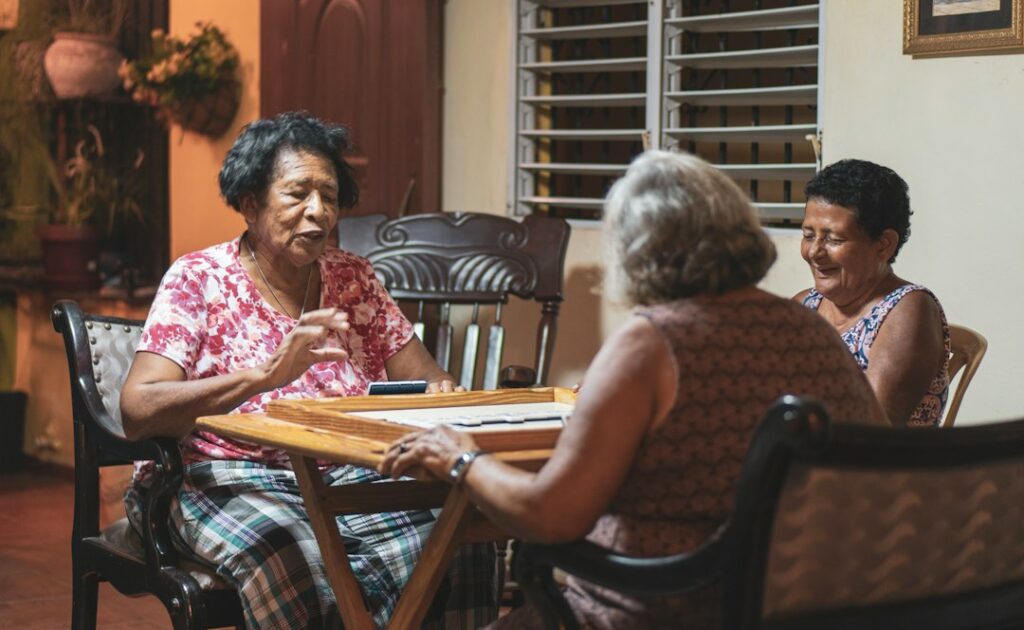
- Games, puzzles, and cards
- Gentle movement or stretching
- Gardening and seasonal projects
- Art, crafts, or cooking activities
- Reading groups
- Faith-based or reflective gatherings
- Educational talks
- Movies and live performances
- Intergenerational visits
- Outdoor time when weather allows
- One-to-one visits for residents who avoid groups
The quality of participation matters more than the number of activities offered. A resident may benefit most from a quiet conversation, helping set a table, or being invited to sit with a familiar group. Meaningful engagement should respect personal history, culture, interests, and energy level.
Can assisted living help someone who does not enjoy group activities?
Yes. Preventing isolation does not require constant participation in large social events. Some older adults prefer individual conversations, quiet hobbies, or observing an activity before joining.
A supportive setting can offer several levels of involvement. A resident might begin with meals in a shared dining room, then try a small activity, and later develop a friendship with another resident. Staff can also help identify interests that may not be obvious from a standard activity calendar.
Examples of lower-pressure connection include:
- A short visit from a staff member
- Listening to music with another resident
- Sharing a snack or coffee
- Working on a familiar hobby
- Receiving help making a phone or video call
- Sitting outdoors near other people without joining a formal activity
Respect for privacy is essential. Social support should not become pressure to participate. Residents should have choices about when, how, and with whom they spend time.
How do meals and shared spaces support connection?
Meals are often one of the most consistent social opportunities in assisted living. Eating at a regular time with other people can provide routine, conversation, and a reason to leave a private apartment or room.
Shared spaces also make spontaneous interaction easier. A lounge, library, activity room, garden area, or sitting space can help residents encounter one another naturally. These informal moments may be especially valuable for people who do not sign up for scheduled programs.
Staff awareness can make a difference. If someone who usually attends meals or activities begins staying alone, changes in behavior may be noticed sooner in a community setting than when the person lives independently. A change in participation does not automatically mean depression, but it can be a reason to check in and look for unmet needs.

Why does transportation matter in Wyndmoor?
Seasonal cold, rain, snow, shorter daylight, and concerns about walking or driving can make social contact more difficult for older adults in Wyndmoor. Even residents who are active during warmer months may spend more time indoors when weather conditions are uncomfortable or sidewalks and roads require extra caution.
Assisted living may reduce some transportation-related barriers by coordinating scheduled outings or providing transportation connected with daily needs and activities. This can make it easier to maintain contact with family, attend community events, or participate in recreational trips when appropriate.
Transportation is not a complete solution. A resident may still need help managing fatigue, mobility equipment, medical limitations, or anxiety about leaving the residence. Planning should account for the person’s comfort and safety rather than treating every outing as automatically beneficial.
Does assisted living replace family relationships?
No. Assisted living can supplement family and community relationships, but it does not replace them. Regular visits, phone calls, letters, video chats, and shared outings can remain important parts of a resident’s emotional life.
Family members can support connection by asking specific questions rather than simply asking whether everything is fine. Useful questions include:
- Who have you enjoyed talking with recently?
- Which activities feel comfortable?
- Are there times of day when you feel especially alone?
- Is hearing, vision, pain, or fatigue making socializing harder?
- Would a smaller group or one-to-one visit feel easier?
Visits do not need to be elaborate. Looking through photographs, sharing a meal, listening to familiar music, or discussing neighborhood memories may be more meaningful than a busy schedule.
What signs suggest an older adult may be becoming isolated?
Warning signs may include a noticeable decline in activities the person once enjoyed, skipped meals, reduced communication, frequent statements about having no one to talk to, changes in sleep, poor appetite, increased irritability, or spending nearly all day alone.
Hearing loss, vision problems, pain, depression, medication effects, and memory changes can all make social participation more difficult. A person who seems uninterested may actually be unable to follow conversations or may feel embarrassed about needing help.
Sudden or persistent changes deserve attention. Assisted living staff, family members, and health care professionals may need to consider whether a medical, emotional, or environmental issue is contributing to withdrawal.
What should families ask when evaluating social support?
Families can ask how the residence approaches connection, not just how many activities appear on a calendar. Practical questions include:
- How are new residents introduced to others?
- Are activities offered in small and large groups?
- What happens if a resident stops attending meals or programs?
- Are activities adapted for hearing, vision, mobility, or memory needs?
- Can residents receive support with phone or video calls?
- Are outdoor areas accessible in different seasons?
- Is transportation available for appropriate community outings?
- How are resident preferences included in activity planning?
A strong social environment is not defined by a crowded calendar. It is defined by whether residents have realistic opportunities to form relationships, maintain familiar routines, and receive personal attention when participation changes.
For older adults and families in Wyndmoor, assisted living may offer a practical way to make connection more consistent while preserving privacy and independence. The most helpful setting is one that recognizes social needs as part of overall well-being and provides several comfortable paths to belonging.
