
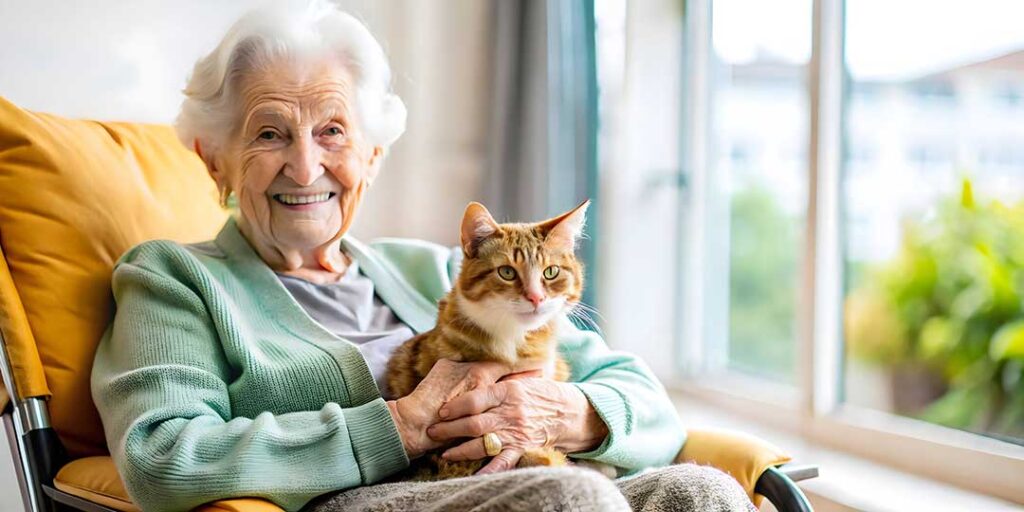
Loneliness is a significant concern among seniors, especially those residing in assisted living communities. Many family members and caregivers in Wyndmoor, Pennsylvania, worry about their loved ones adjusting to a new lifestyle, making new friends, and maintaining a sense of belonging. The good news is that by understanding the roots of loneliness and proactively fostering social connections, residents can enjoy a vibrant and fulfilling life in their new home.
Understanding Loneliness in Assisted Living
Loneliness isn’t just a fleeting feeling; it can impact both physical and mental health. Seniors may experience it as a sense of isolation, lack of connection, or simply missing familiar routines and loved ones. In places like Wyndmoor—known for its tight-knit neighborhoods and lively local events—it’s vital to bring those elements of community into the assisted living environment.
Factors contributing to loneliness include:
- Moving away from familiar neighborhoods or family homes
- The loss of a spouse or close friends
- Physical or cognitive limitations making it difficult to engage in activities
- Difficulty adjusting to new routines or unfamiliar surroundings
Creating a Supportive Environment in Wyndmoor
Assisted living communities in Wyndmoor, Pennsylvania, recognize the importance of maintaining meaningful social connections. Their proximity to Philadelphia offers the charm of suburban living with easy access to cultural and recreational opportunities. Here’s how these communities—and families—can help seniors embrace their new community:
1. Personalized Social Programs
Many Wyndmoor assisted living centers offer diverse activity calendars tailored to residents’ interests, from arts and crafts to book clubs and fitness classes. These programs provide both structure and opportunities for socialization. Encouraging residents to participate in activities that align with their hobbies—for example, gardening clubs or local history groups—can reignite passions and foster new friendships.
2. Involvement in Local Events
One of the best features of life in Wyndmoor is the strong tradition of community events:
- Seasonal festivals at Veterans Memorial Park
- Weekly farmer’s markets featuring local produce and crafts
- Library talks, art shows, and music performances
Assisted living teams often arrange group outings to these events, giving residents opportunities to interact with neighbors and enjoy the vibrant local culture. Family members can encourage participation or even attend events together, turning outings into cherished traditions.
3. Fostering Intergenerational Connections
Wyndmoor’s schools, churches, and volunteer organizations frequently partner with assisted living facilities for intergenerational programming. Facilitating visits from local students, scouts, or church groups can ignite conversation and joy. Residents might share stories of Wyndmoor’s past, help with craft projects, or practice music with young visitors—activities proven to reduce loneliness and enhance well-being.
4. Keeping Family Bonds Strong
Family engagement remains one of the most effective antidotes to loneliness. Even if loved ones can’t visit in person as frequently as they’d like, technology bridges the gap. Assisted living staff can help set up regular video calls or help with emails and photo sharing. Locally, many families make use of Wyndmoor’s abundance of parks and walking trails for outdoor visits, picnics, or small celebrations.

5. Encouraging Volunteerism and Purpose
Assisted living residents in Wyndmoor often continue to make a difference locally, whether by knitting hats for newborns at Abington Hospital, assembling care packages for local shelters, or tutoring neighborhood children. Feeling needed and valued gives residents a sense of purpose, vital for combating loneliness and building community.
Addressing Barriers to Social Engagement
Despite the best intentions, loneliness can sometimes persist. Here’s how caregivers and staff can help:
- Identify signs of loneliness: withdrawal, loss of appetite, increased sleep, or lack of interest in activities are common red flags.
- Offer gentle encouragement: Sometimes it takes extra support for a resident to join a new group or try a new activity.
- Personalize approaches: Not everyone wants to join large groups. Small gatherings or one-on-one interactions—like a quiet walk through Morris Arboretum—might be more appealing for some.
Mindfulness and Wellness Activities
Integrating mindfulness and gentle exercise can improve resilience against loneliness. Assisted living communities in Wyndmoor offer meditation classes, yoga, tai chi, and guided nature walks. These practices help residents manage anxiety, stay present, and appreciate daily joys.
The Role of Professional Support
Occasionally, feelings of isolation may signal underlying depression or health issues. Experienced staff and local geriatric specialists in the Wyndmoor and broader Montgomery County area can provide assessments, referrals, and counseling if needed. Open lines of communication between family, staff, and health providers are crucial for early intervention.
Building a Connected Community—Together
Loneliness isn’t inevitable. Assisted living in Wyndmoor, PA, offers countless resources and opportunities to build lasting relationships and rediscover the joys of community living. From local celebrations to everyday conversations over coffee, each new connection enriches residents’ lives. By embracing the spirit of Wyndmoor—where neighbors look out for each other—assisted living communities become places of warmth, purpose, and inclusion.
Whether you’re researching the best assisted living options in Pennsylvania or seeking tips to support a loved one, remember that meaningful social connections are the foundation of a happy, healthy senior lifestyle.
