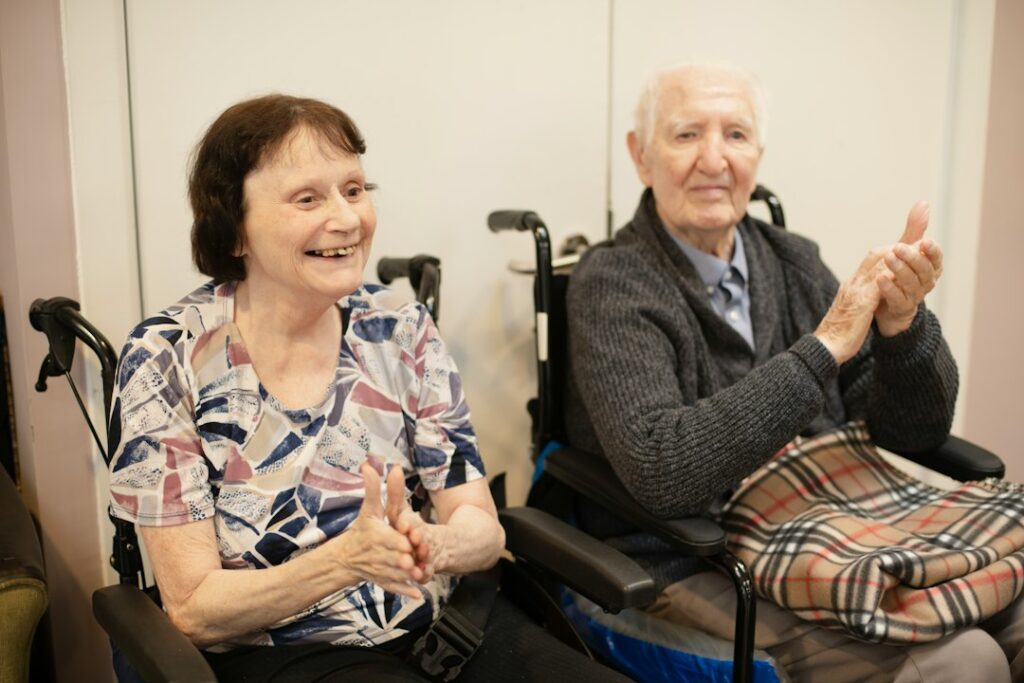
Transportation is more than a way to reach appointments. For assisted living residents in Wyndmoor, PA, dependable transportation supports independence, family connections, social activity, exercise, and participation in everyday community life.
A good transportation plan matches the person’s mobility, memory, medical needs, comfort level, and schedule. It should also allow extra time for boarding, walking, weather changes, and unexpected delays.
What transportation options are available to assisted living residents?
Most residents use a combination of private vehicle rides, facility-organized transportation, public transportation, paratransit, and family support. No single option works for every trip.
Common choices include:
- Scheduled rides for medical appointments, therapy, and dental visits
- Group outings for shopping, meals, cultural activities, or seasonal events
- Family or friend transportation
- Public bus or rail service for residents who can safely manage routes and transfers
- Paratransit for eligible riders whose disabilities prevent them from using regular transit
- Short outdoor trips on foot, when sidewalks, crossings, and weather conditions are suitable
Transportation needs may change over time. A resident who once managed a bus independently may later need a companion, a simpler route, or door-to-door assistance.
How should a resident decide whether a trip is safe?
The key question is not simply whether a person can get into a vehicle. Safety also depends on balance, vision, hearing, judgment, endurance, and the ability to respond if plans change.
Before an outing, consider whether the resident can:
- Walk from the building to the vehicle without becoming overly tired
- Step over a curb or manage a ramp
- Enter and exit the vehicle safely
- Fasten a seat belt
- Carry needed items without losing balance
- Recognize the destination and communicate if assistance is needed
- Use a phone or alert system in case the ride is delayed
- Manage toileting, medications, food, and hydration during the trip
A walker, cane, wheelchair, or portable oxygen equipment may require additional space. The vehicle must also be able to accommodate the equipment securely rather than leaving it loose in a passenger area.
For residents with memory loss, wandering risk, or confusion, transportation should include clear supervision. A familiar companion, written itinerary, identification information, and a reliable return plan can reduce stress.
What should residents know about public transportation?
Public transportation can be practical for some older adults, especially when the route is familiar and the stop is close to the residence. However, route planning should include more than the scheduled travel time.
A resident may need to account for:
- The distance and condition of sidewalks
- The height of curbs and the presence of benches
- Weather exposure while waiting
- The number of transfers
- Elevator or ramp access
- Crowding and noise
- The location of the destination entrance
- A backup plan if the vehicle is late or the resident misses a stop
Pennsylvania residents age 65 and older may qualify for free travel on eligible SEPTA services with a valid senior fare identification card. Riders with disabilities may qualify for reduced-fare programs or SEPTA Access, the region’s ADA paratransit service. Eligibility, reservations, service areas, and fare rules can change, so those details should be confirmed before relying on a route.
Residents who are new to public transportation may benefit from practicing the trip with a family member or trusted companion. A trial run can reveal whether the walk, waiting period, transfers, and destination entrance are manageable.
How can outings be planned around mobility and medical needs?
A successful outing usually has a simple itinerary and a realistic pace. Shorter trips are often more enjoyable than ambitious schedules that leave a resident exhausted.
Before leaving, confirm:
- The destination has accessible entrances and restrooms
- Seating is available during the activity
- The route includes minimal stairs or steep slopes
- Medications can be taken at the correct time
- Meals, snacks, and water are available as needed
- The return ride is arranged before the outing begins
- Weather conditions are appropriate for the resident’s health
- A companion knows what assistance is expected
A resident with arthritis, heart or lung disease, or reduced stamina may need frequent rest periods. A person with diabetes may need food and glucose supplies. Someone with incontinence concerns may feel more comfortable knowing where restrooms are located before arriving.
Outings should not be treated as tests of endurance. The goal is participation, not completing every planned activity.
What seasonal conditions matter in Wyndmoor?

The local climate creates transportation concerns throughout the year. Winter cold, snow, ice, and early darkness can make sidewalks and vehicle transfers hazardous. Even a thin layer of ice near a curb or driveway can cause a fall.
During colder months:
- Leave additional time for slower walking
- Wear shoes with secure, nonslip soles
- Avoid carrying bulky items while using a walker
- Check whether snow and ice have been cleared from the walking route
- Keep coats, scarves, and mobility equipment from interfering with seat belts
- Have a backup plan if road conditions worsen
Summer also requires planning. Heat and humidity may increase fatigue, dehydration, and breathing difficulty. Trips are often more comfortable earlier in the day, with shade, water, and access to air-conditioned indoor spaces.
Rain can create slippery ramps, poor visibility, and wet mobility equipment. A lightweight rain covering, waterproof bag, and dry change of clothing may be useful for longer outings.
How can families support transportation without taking away independence?
Family members can help by offering choices rather than making every decision. Asking whether a resident prefers a morning or afternoon outing, a familiar destination or a new one, or a private ride or group activity supports personal control.
Helpful family support may include:
- Practicing a route together
- Keeping an updated list of medications and emergency contacts
- Teaching the resident how to identify the vehicle and driver
- Arranging rides well in advance
- Checking that mobility devices fit safely
- Allowing extra time instead of rushing
- Reviewing what went well after the trip
It is also useful to distinguish between transportation assistance and general supervision. A driver may be able to provide a ride but not help with transfers, medication reminders, personal care, or behavior related to dementia. Those expectations should be clear before the trip.
What are common transportation mistakes?
Several avoidable problems can turn a simple outing into a difficult experience.
Common mistakes include:
- Scheduling appointments too close together
- Forgetting the walking distance between the vehicle and destination
- Assuming every vehicle can hold a wheelchair
- Ignoring restroom access
- Failing to plan for traffic or delays
- Sending a resident out without identification or emergency information
- Choosing an unfamiliar route without a practice trip
- Treating fatigue, dizziness, or confusion as minor inconveniences
A transportation plan works best when it is written down, shared with the people involved, and reviewed whenever the resident’s mobility or health changes. Regular outings can remain safe and meaningful when the route, timing, equipment, and level of assistance fit the individual.