

What Types of Fitness Programs Are Common in Assisted Living?
Seniors in assisted living typically have access to a variety of fitness options designed to accommodate different abilities, interests, and health needs. These often include:
- Chair yoga and stretching classes for flexibility
- Low-impact aerobics or dance for cardiovascular health
- Strength training with resistance bands or light weights
- Walking groups, either indoors or outside when weather permits
- Balance and fall prevention sessions
Local facilities frequently tailor their programs to changing seasons. For example, indoor movement classes tend to be more frequent in colder months, while spring and summer may bring more outdoor walks or gardening activities. These options create opportunities for social connection along with physical benefits.
Why Are Fitness Programs Valuable for Seniors in Assisted Living?
Routine movement has proven benefits beyond physical health. Activity routines can improve mood, promote independence, and reduce risk of falls. For many residents, group fitness also becomes a meaningful social outlet, bringing structure and friendly interaction to each week.
Staying active in a supportive setting helps maintain functional strength for everyday needs—like walking to communal meals, rising from a chair, or enjoying hobbies. Even gentle forms of exercise can help with sleep quality, joint pain, circulation, and maintaining a healthy appetite.
Do Fitness Activities in Assisted Living Require Medical Clearance?
Most assisted living communities encourage new residents to consult with their healthcare provider before starting a new fitness regimen, especially if there are chronic conditions such as heart disease, arthritis, or balance concerns. Many programs are designed to be safe for most older adults, but some—such as strength training or higher-intensity exercise—may need to be tailored with individual health in mind.
Staff often help adapt routines, encouraging residents to listen to their bodies and participate at their own pace. Fitness leaders may also be trained to watch for signs of overexertion or discomfort.
How Are Activities Adapted for Residents with Limited Mobility?
Fitness options usually include accessible choices for nearly every mobility level. Seated classes are a popular format—residents perform movements from a sturdy chair, focusing on range of motion, core stability, and gentle strength building. Adaptations might involve:
- Alternative movements for those with arthritis or joint replacement
- Extra balance support for standing exercises (using a chair or handrail)
- Breathing and stretching routines that can be done lying down or reclined
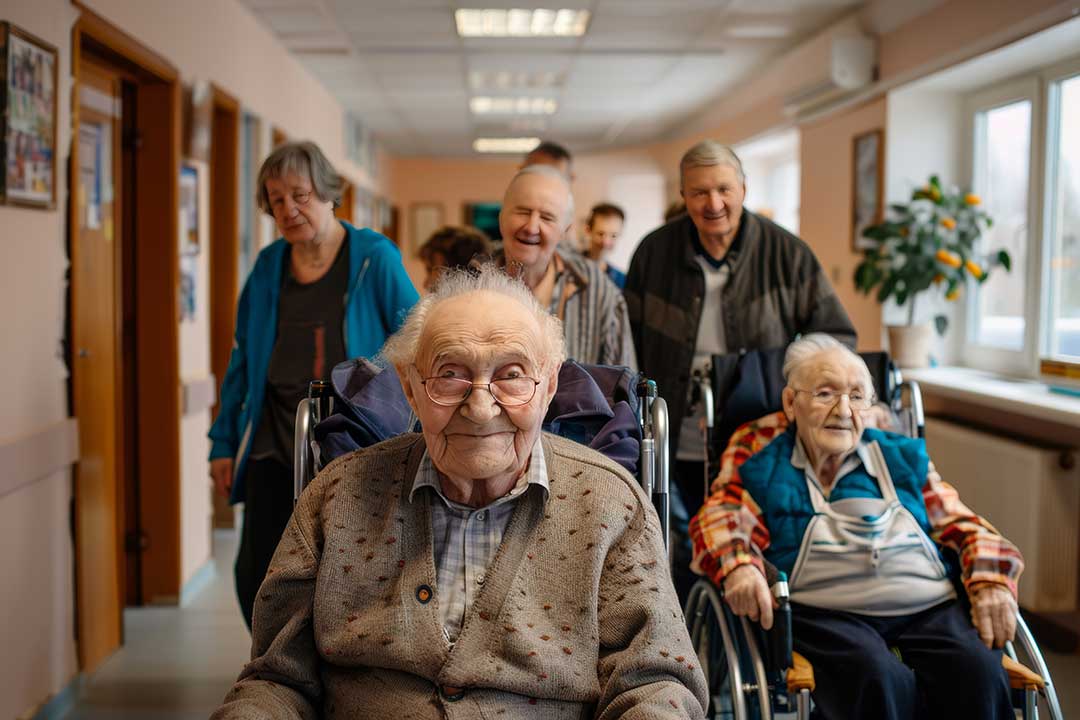
Residents with walkers, canes, or wheelchairs are typically included and encouraged. Staff may offer personalized modifications so each participant can join safely.
Are Fitness Programs Scheduled or Drop-In?
Fitness schedules are generally communicated regularly to residents, with a combination of recurring classes and drop-in group activities. Some facilities keep a posted calendar in common areas or distribute a monthly schedule to rooms. Participation is voluntary, and residents are encouraged to try different activities to discover what feels best.
During harsher winter weather or on days with icy conditions, walking and outdoor programs may be paused or moved indoors to reduce any fall risk—fitness instructors adjust the activities accordingly.
What Should Residents Wear or Bring to Group Movement Activities?
Comfort is key for enjoying any exercise session. Residents should wear loose-fitting clothing that allows easy movement and sturdy, closed-toe footwear with good traction. For outdoor activities, dressing in layers can help manage seasonal temperature shifts. Many group routines provide any needed equipment—like hand weights, bands, or yoga mats—but residents are welcome to use their own if they prefer.
Hydration is important as well. Bringing a reusable water bottle is encouraged, especially during warmer months or if participating in longer sessions.
Are There Fitness Options for All Abilities and Interests?
Assisted living communities try to make movement enjoyable and accessible by offering variety. Not everyone enjoys traditional exercise, so some programs incorporate music, gentle dance, or even games with a movement focus. Creative options include:
- Musical movement classes or drum circles
- Gardening groups (which involve bending, lifting, and walking)
- Chair-based tai chi or Qigong for relaxation and balance
Residents’ feedback is often used to shape the schedule. Asking for new types of activities or suggesting accessible options is generally welcomed.
What Are Common Misconceptions About Fitness in Assisted Living?
Some people believe that exercise in later years must be strenuous to be effective, or that it is only for those who are already fit. In reality, any safe movement—however gentle—offers benefits. Others are concerned about falling or injury, but fitness programs are usually guided by leaders who focus on safety and slow progression.
Another misconception is that participation is mandatory or competitive. In local communities, fitness is treated as a supportive, inclusive opportunity rather than an obligation. Residents can engage as much or as little as they feel comfortable.
