
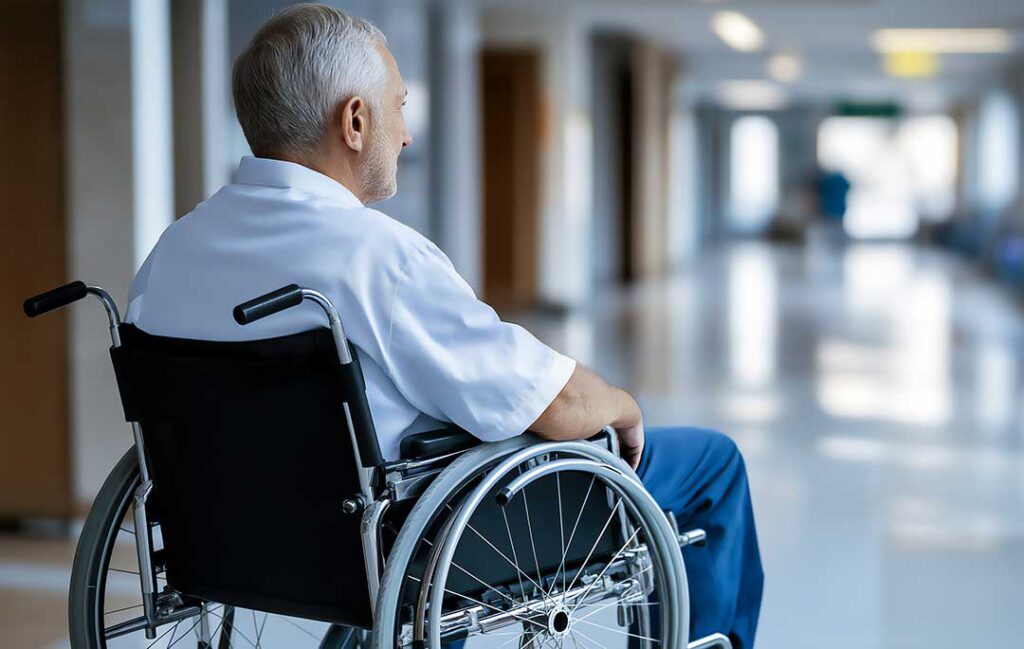
Falls are not an unavoidable part of aging. Many can be reduced by improving lighting, reviewing medications, strengthening balance, and addressing hazards in living spaces. For residents and families in Wyndmoor, PA, fall prevention also means preparing for wet leaves, snow, ice, power outages, and older homes with stairs or uneven thresholds.
Why do falls happen in assisted living settings?
Falls usually result from several factors rather than one isolated problem. A person may be managing reduced strength, poor vision, dizziness, medication side effects, an unsafe walking surface, or a hurried trip to the bathroom at night.
Older adults may also fall after standing too quickly. A temporary drop in blood pressure can cause lightheadedness or weakness, especially after sitting or lying down. Poor sleep, dehydration, foot pain, and unfamiliar surroundings can add to the risk. The National Institute on Aging reports that more than one in four adults age 65 and older falls each year, although many falls are preventable. ([nia.nih.gov](https://www.nia.nih.gov/health/falls-and-falls-prevention/falls-and-fractures-older-adults-causes-and-prevention?utm_source=openai))
Assisted living safety plans should therefore consider both the person and the environment. A fall-risk review is more useful when it asks where, when, and how a fall occurred instead of simply recording that a fall happened.
How can rooms and hallways be made safer?
The safest walking path is clear, well lit, and easy to navigate without reaching, stepping over objects, or changing direction suddenly.
Useful improvements include:
- Remove loose throw rugs, unsecured mats, clutter, and electrical cords from walking paths.
- Keep frequently used items between waist and shoulder height so residents do not need to climb or stretch.
- Use night-lights between the bedroom and bathroom. Light switches should be easy to reach from the bed and near stairways.
- Arrange chairs and tables so there is enough room to turn safely with a cane or walker.
- Secure carpeting and repair raised edges, loose flooring, and uneven thresholds.
- Keep mobility aids within reach before standing.
Furniture height matters as well. A chair that is too low or soft can make it difficult to stand without losing balance. A stable chair with firm support and armrests may be easier to use.
The National Institute on Aging recommends good lighting at the top and bottom of stairs, secure handrails, clear floors, and avoiding small area rugs. ([nia.nih.gov](https://www.nia.nih.gov/health/falls-and-falls-prevention/preventing-falls-home-room-room?utm_source=openai))
What bathroom changes help prevent falls?
Bathrooms require special attention because water, smooth surfaces, transfers, and nighttime use often occur together. Grab bars near the toilet and inside and outside the tub or shower can provide support during transfers. Nonslip strips or mats should be used on surfaces that become wet.
A safer bathroom may also include:
- A raised toilet seat or appropriately positioned support equipment, when recommended for the individual.
- A shower seat if standing for long periods is tiring or unsteady.
- Adequate lighting that does not create glare.
- A dry floor before walking.
- Toiletries placed within easy reach rather than on the floor or high shelves.
- A clear route from the bedroom to the bathroom.
Towel racks and ordinary bathroom fixtures should not be treated as grab bars. They may pull loose when used for support.
Can medications, vision, or footwear increase fall risk?
Yes. Some medications can cause dizziness, drowsiness, blurred vision, confusion, or blood-pressure changes. The risk may increase when several medications are taken together. A medication review should include prescriptions, over-the-counter products, sleep aids, and supplements. Residents should not stop or change a medication without medical guidance. ([nia.nih.gov](https://www.nia.nih.gov/health/falls-and-falls-prevention/falls-and-fractures-older-adults-causes-and-prevention?utm_source=openai))
Vision and hearing also affect safe movement. Glare, poor contrast, untreated vision changes, or difficulty hearing warnings can make obstacles and hazards harder to recognize. Regular vision and hearing checks can help identify correctable problems.
Footwear should fit securely and have nonslip soles. Smooth slippers, backless shoes, high heels, and walking in socks can reduce traction or stability. Foot pain, swelling, or numbness should be discussed with a healthcare provider because these problems can alter the way a person walks.
Which exercises support balance and strength?
Safe, regular movement can improve leg strength, balance, flexibility, and confidence. Appropriate activities may include supervised strength exercises, balance practice, walking, resistance-band work, or modified tai chi. The right activity depends on health conditions, mobility, and fall history.
A person who has been inactive, feels faint, or has recently fallen should receive individualized guidance before beginning a new exercise routine. The CDC’s STEADI program encourages assessment of gait, strength, balance, medications, blood pressure, vision, and home hazards as connected parts of fall prevention. ([cdc.gov](https://cdc.gov/steadi/index.html?utm_source=openai))
Fear of falling can also lead someone to stop walking or participating in activities. That may cause additional weakness. A gradual, supported movement plan is generally safer than avoiding all activity.
What seasonal hazards should residents watch for?
Winter conditions deserve extra planning in the local community. Ice near entrances, wet flooring from tracked-in precipitation, dark afternoons, and uneven outdoor steps can make short trips hazardous. Outdoor walkways should be inspected for broken surfaces, leaves, branches, standing water, and ice.
Helpful habits include:
- Turn on exterior lights before leaving or returning after dark.
- Use handrails on outdoor steps.
- Avoid carrying packages that block the view of the ground.
- Wear footwear with good traction.
- Treat icy walkways with an appropriate nonslip material.
- Consider postponing nonessential outdoor trips during freezing rain or severe weather.
- Keep an alternative indoor route available when an outdoor path is unsafe.
The NIA specifically recommends extra caution on wet or icy surfaces and using ice melt or sand near doors and walkways. ([nia.nih.gov](https://www.nia.nih.gov/health/falls-and-falls-prevention/preventing-falls-home-room-room?utm_source=openai))
What should someone do after a fall?
After a fall, remain still for a moment and take several slow breaths. Check for severe pain, bleeding, head injury, chest pain, shortness of breath, or an inability to move. Do not rush to stand, especially if there may be a fracture, head injury, or dizziness.
If the person cannot get up safely, is injured, hit their head, has lost consciousness, or is experiencing severe symptoms, emergency assistance is needed. If there is no apparent injury and the person believes movement is safe, a slow transition to hands and knees and then to a sturdy chair may be possible—but only if doing so does not worsen pain or weakness. ([nia.nih.gov](https://www.nia.nih.gov/health/falls-and-falls-prevention/falls-and-fractures-older-adults-causes-and-prevention?utm_source=openai))
Every fall should be reported to the appropriate care team and discussed with a healthcare provider, even when there is no immediate pain. A fall may reveal a medication problem, vision change, infection, blood-pressure issue, weakness, or another condition requiring attention.
How can families and care teams make prevention routine?
Fall prevention works best as an ongoing safety practice rather than a one-time inspection. A useful review can be repeated after a fall, a medication change, a hospital stay, a change in walking ability, or a move to a different room.
Families can ask:
- Where did the fall occur?
- What was the person trying to do?
- Was the area dark, wet, cluttered, or unfamiliar?
- Were glasses, hearing aids, shoes, or a mobility aid being used?
- Did dizziness or urgency play a role?
- Has anything changed in the person’s health or medications?
Documenting these details helps identify patterns. In Pennsylvania, assisted living residences and personal care homes operate under state licensing and regulatory requirements, so safety concerns may also relate to the residence’s care planning, environment, and incident-response procedures. ([pa.gov](https://www.pa.gov/agencies/dhs/resources/licensing/pch-alr-licensing/pch-alr-compliance-guides?utm_source=openai))
A practical fall-prevention plan combines safe surroundings, appropriate mobility support, medication and health reviews, seasonal awareness, and a clear response plan if a fall occurs.
